
Mediterranean Healthy Cooking Course
Master the art and science of Mediterranean cuisine with Superfoodeducationhub. Learn time-tested techniques, ingredient selection, and nutritional fundamentals through our comprehensive online course designed for health-conscious home cooks in the Philippines.
The information on this site is for educational purposes only and does not constitute medical advice. Always consult a qualified healthcare professional before making health decisions.
Why Mediterranean Diet Matters
The Mediterranean approach to cooking represents centuries of culinary wisdom from communities across southern Europe. This educational course explores the historical, cultural, and practical foundations of Mediterranean cuisine, helping you understand why these cooking methods have endured and how they support a balanced lifestyle.
Our curriculum covers essential topics including ingredient sourcing, flavor development through traditional techniques, meal planning strategies, and the role of plant-based whole foods in Mediterranean cooking. Whether you're a beginner or an experienced home cook, this course provides actionable knowledge you can apply immediately in your kitchen.
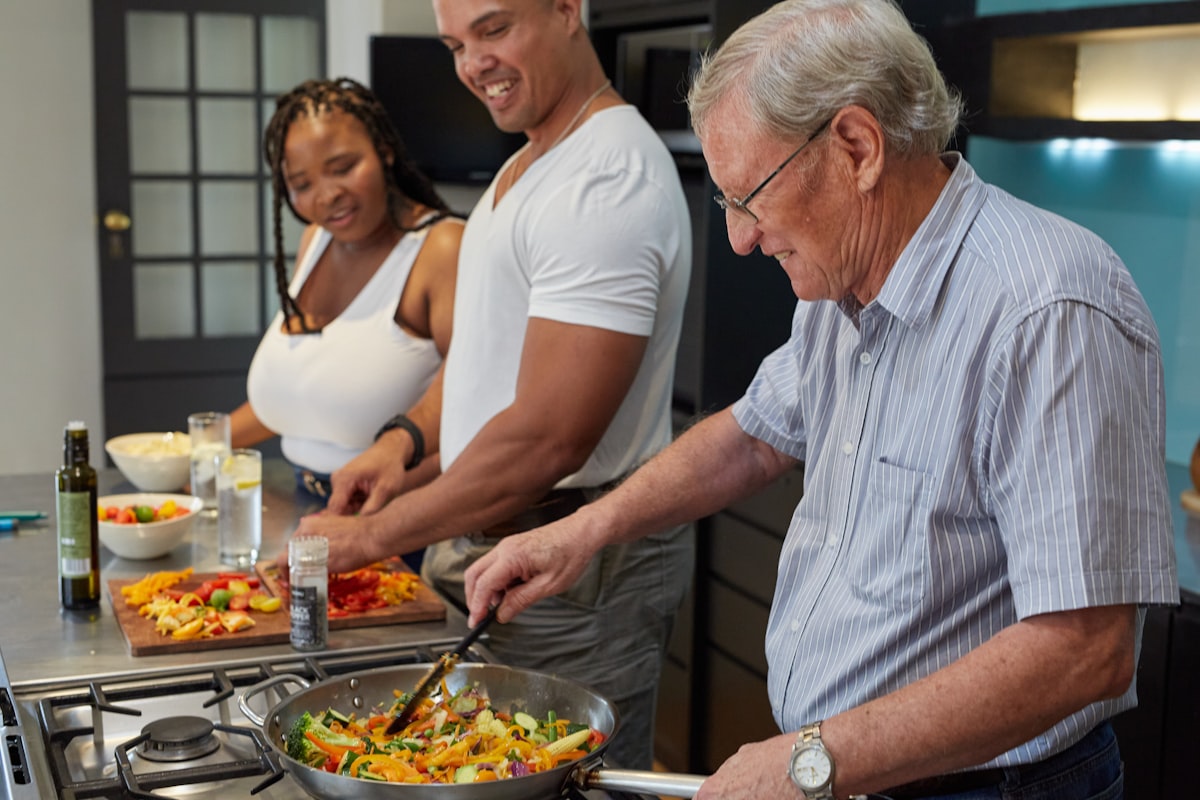
Key Features of Our Course
Comprehensive Curriculum
Access structured lessons covering Mediterranean cuisine fundamentals, regional variations, seasonal cooking, and modern adaptations. Each module builds your knowledge progressively from basics to advanced techniques.
Video Demonstrations
Learn from detailed video tutorials showing preparation techniques, plating methods, and cooking processes. Visual learning helps you master knife skills, heat management, and flavor balancing with confidence.
Recipe Collections
Explore an extensive library of authentic Mediterranean recipes with detailed ingredient lists, step-by-step instructions, and practical notes. Each recipe includes information on ingredient sourcing and possible local substitutions.
Expert Insights
Benefit from educational content developed by culinary professionals and food educators. Learn the reasoning behind techniques, understand ingredient interactions, and discover how to adapt recipes to your preferences.
Local Adaptation Guides
Discover how to source Mediterranean ingredients in the Philippines or find suitable local alternatives. Learn about seasonal availability, market shopping tips, and how to adapt traditional recipes using Philippine ingredients.
Community Forum
Connect with fellow students, share cooking experiences, ask questions, and exchange tips. Our community forum provides a supportive space for learning, troubleshooting, and celebrating your culinary progress.
Your Learning Journey in 4 Steps
Explore Foundations
Start with an overview of Mediterranean cuisine history, regional variations, and core principles. Understand ingredient categories and their roles in traditional cooking.
Master Techniques
Learn essential cooking methods including sautéing, braising, grilling, and preservation techniques. Watch video demonstrations and practice fundamental skills.
Cook & Experiment
Access detailed recipes organized by meal type and difficulty level. Cook along with video guides, adapt recipes using local ingredients, and develop your personal style.
Continue Learning
Engage with seasonal content updates, advanced techniques, and menu planning strategies. Stay connected with the community and refine your Mediterranean cooking expertise.
Dishes You'll Master
Pasta & Grain Dishes
Learn traditional pasta preparations, risotto techniques, and whole grain cooking methods. Understand flavor development and the role of olive oil, herbs, and seasonal vegetables.
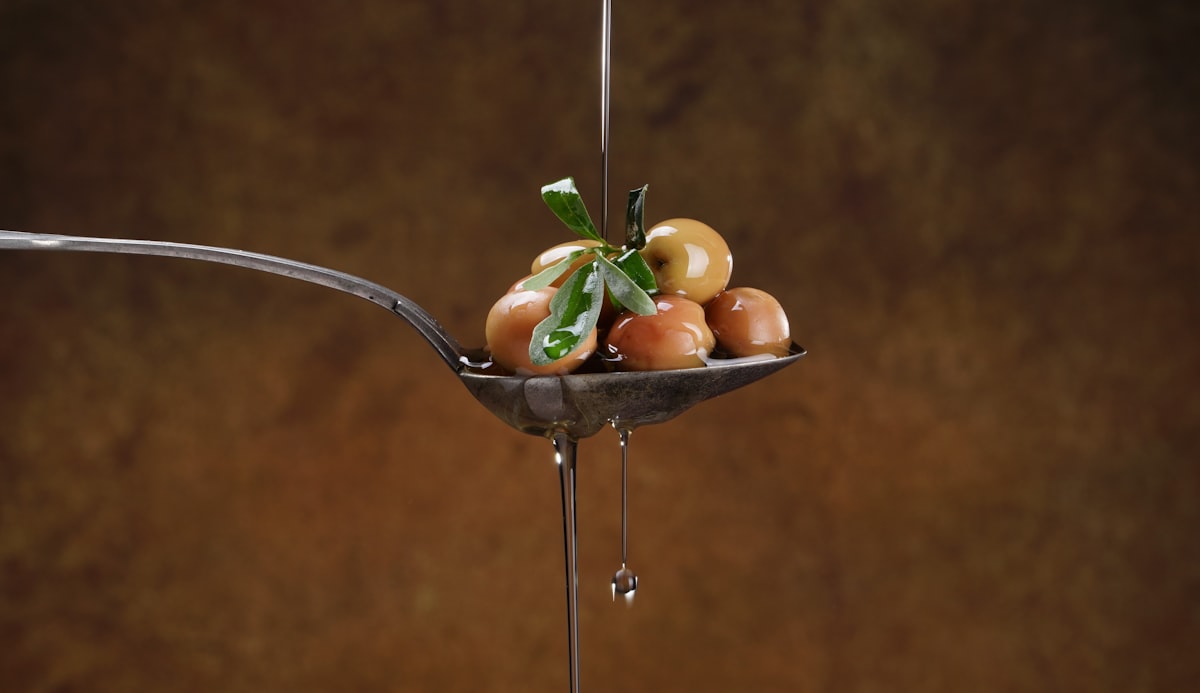
Salads & Vegetables
Master vegetable preparation, salad composition, and dressing techniques. Explore seasonal vegetables, raw and cooked preparations, and preservation methods for year-round cooking.
Fish & Seafood
Learn fish selection, preparation, and cooking methods including grilling, poaching, and baking. Understand how Mediterranean regions utilize seafood sustainably and flavorfully.

Soups & Legumes
Explore traditional soups, stews, and legume-based dishes. Learn cooking times, flavor building, and how legumes feature prominently in Mediterranean cuisine across regions.
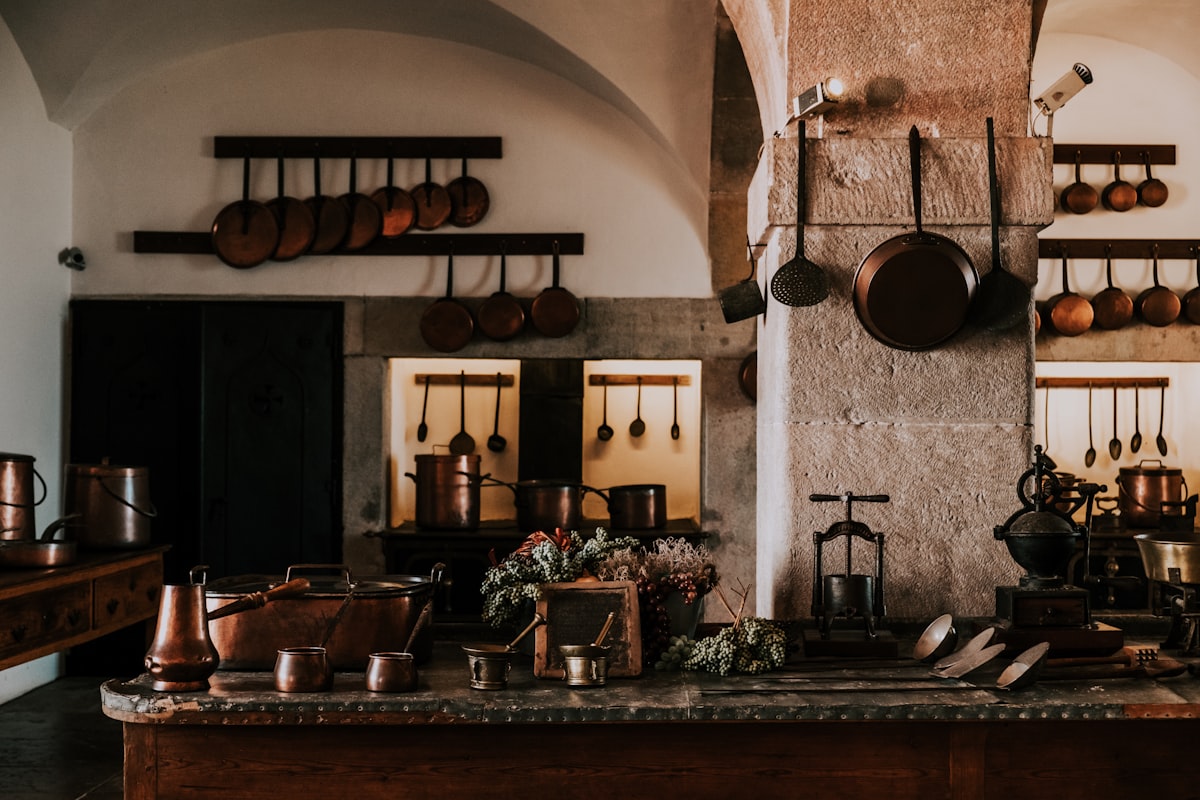
Appetizers & Mezze
Discover Mediterranean small plates, dips, and appetizers. Learn about traditional ingredients like olives, cheeses, and preserved vegetables used in mezze platters and starters.
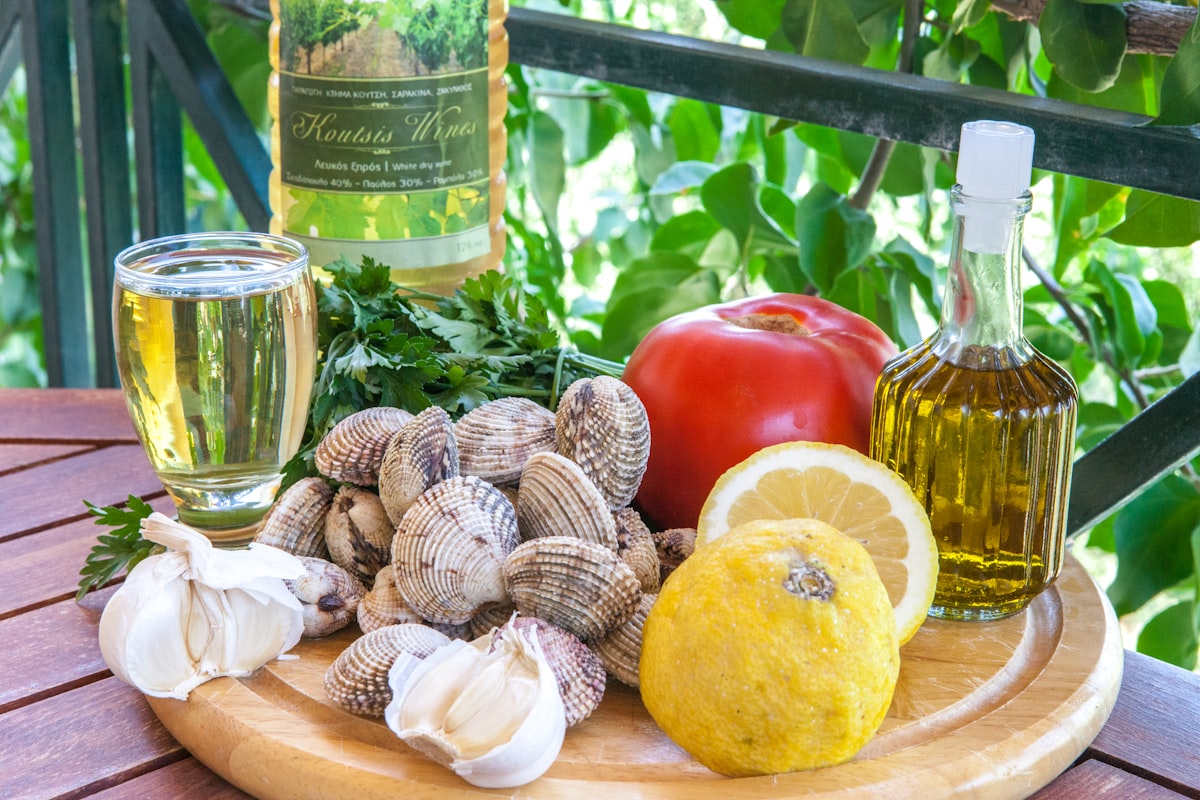
Herbs & Flavor Building
Master Mediterranean herb use including basil, oregano, thyme, and rosemary. Learn spice blends, flavor combinations, and how to build depth in your cooking.
Course Modules & Topics
Module 1: Mediterranean Foundation
- History and cultural context of Mediterranean cuisine
- Regional variations across Mediterranean countries
- Core ingredients and their characteristics
- Essential equipment for Mediterranean cooking
Module 2: Essential Techniques
- Knife skills and vegetable preparation
- Heat control and cooking methods
- Creating depth of flavor and balance
- Plating and presentation methods
Module 3: Core Recipes
- Vegetable-based main dishes
- Fish and seafood preparations
- Pasta, grain, and legume dishes
- Traditional soups and stews
Module 4: Ingredient Mastery
- Olive oil selection and quality
- Herb and spice profiles
- Cheese and dairy products
- Sourcing and storage best practices
Module 5: Seasonal & Menu Planning
- Seasonal ingredient availability
- Menu planning strategies
- Meal prep and preservation
- Entertaining and gathering traditions
Module 6: Local Adaptation
- Sourcing Mediterranean ingredients in the Philippines
- Suitable local ingredient substitutions
- Adapting recipes for tropical ingredients
- Creating your personal Mediterranean kitchen
Common Questions Answered
This course is designed for home cooks of all levels. Whether you're a beginner just starting your cooking journey or an experienced cook looking to deepen your knowledge of Mediterranean cuisine, the curriculum accommodates various experience levels. Each module includes foundational content plus advanced techniques, allowing you to learn at your own pace.
The course is self-paced, so the timeline depends on your schedule and learning preferences. Most students complete modules over 8-12 weeks, dedicating 3-5 hours per week to lessons, videos, and practice. However, you can move through the material faster or take longer—there are no strict deadlines. Access to course materials continues as long as you remain enrolled.
Our course includes a dedicated module on sourcing Mediterranean ingredients locally. We provide information on specialist import shops in major Philippine cities, online retailers, and local markets where Mediterranean products are available. More importantly, the course teaches you how to substitute Mediterranean ingredients with high-quality local alternatives without compromising flavor or technique.
Mediterranean cooking emphasizes simplicity and doesn't require specialized equipment. The course teaches you to work with basic kitchen tools—good knives, pots, pans, and cutting boards. We provide guidance on setting up an efficient Mediterranean-style kitchen and explain why certain equipment choices support better cooking outcomes. Many recipes can be adapted if you don't have a specific tool.
Yes! Our community forum is an active space where you can ask questions, share photos of your dishes, and receive feedback from both instructors and fellow students. For specific technical questions about the course content, you can also contact our educational team through the feedback form. We encourage active participation and peer learning as part of the educational experience.
This course is designed as an educational and informational resource for home cooks, not a professional certification program. Upon completion of all modules, you receive a completion certificate documenting your learning journey. The course emphasizes practical knowledge and skill development rather than professional credentialing.
What Students Say
This course transformed how I think about cooking. I learned not just recipes, but the principles behind Mediterranean cuisine. Now I can improvise confidently in my kitchen, using local ingredients to create authentic flavors. The video demonstrations were incredibly helpful—seeing techniques in action made everything click.
Maria Santos
Manila, Philippines
As a busy professional, I appreciated the flexible pacing. The modules on ingredient selection alone have saved me hundreds on groceries by teaching me what actually matters nutritionally. I'm recommending this to all my colleagues.
James Chen
Singapore
Ready to Transform Your Relationship with Food?
Join thousands of learners discovering the science and joy of superfoods. Start your free preview today.
Frequently Asked Questions
Everything you need to know about our superfood education program